In 2025, I spent four months in Paris as an OxPo Fellow at the Centre for Research on Social Inequalities (CRIS), a joint research unit of Sciences Po and the French National Centre for Scientific Research (CNRS). The fellowship proved intellectually invigorating and personally enriching. I worked closely with Dr Zachary Van Winkle on the second chapter of my doctoral thesis, benefiting greatly from his insight and support. The academic environment at CRIS was exceptionally stimulating; the seminars fostered rigorous debate and offered fertile ground for critical reflection. Life in Paris, both within and beyond the institute, was a genuine pleasure.
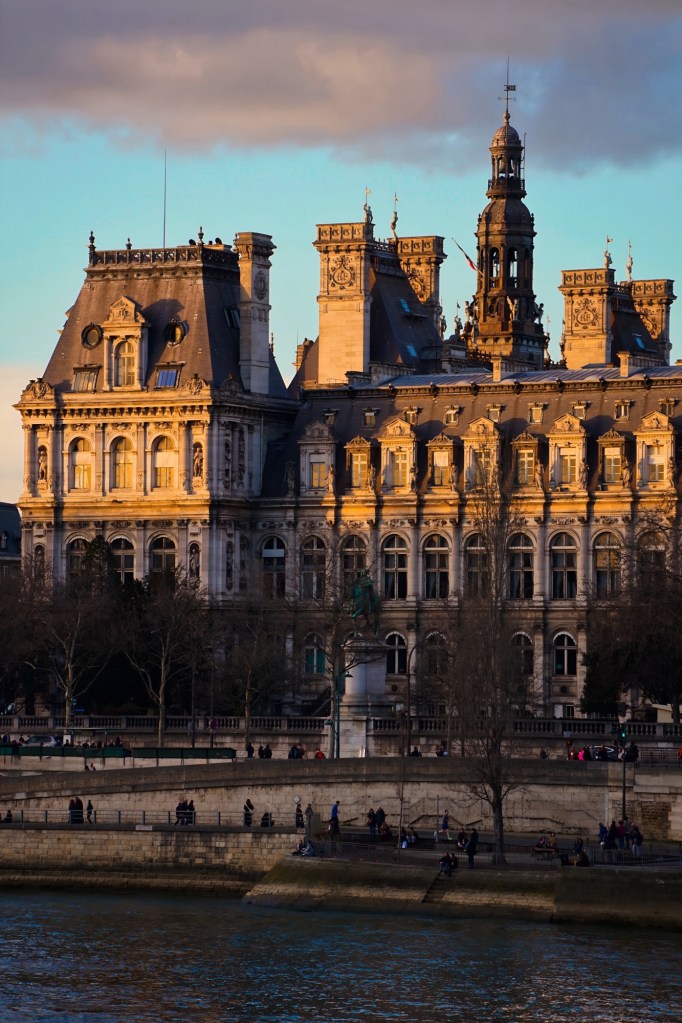
Residing on the Rive Gauche, in the heart of the Latin Quarter, afforded me a daily immersion in the intellectual and cultural legacy of Paris. The area’s enduring spirit of thought, creativity, and dissent was palpable. My walks along the Seine, returning home each evening, became a quiet ritual—an opportunity to reflect on fundamental questions about my future, both personal and professional.
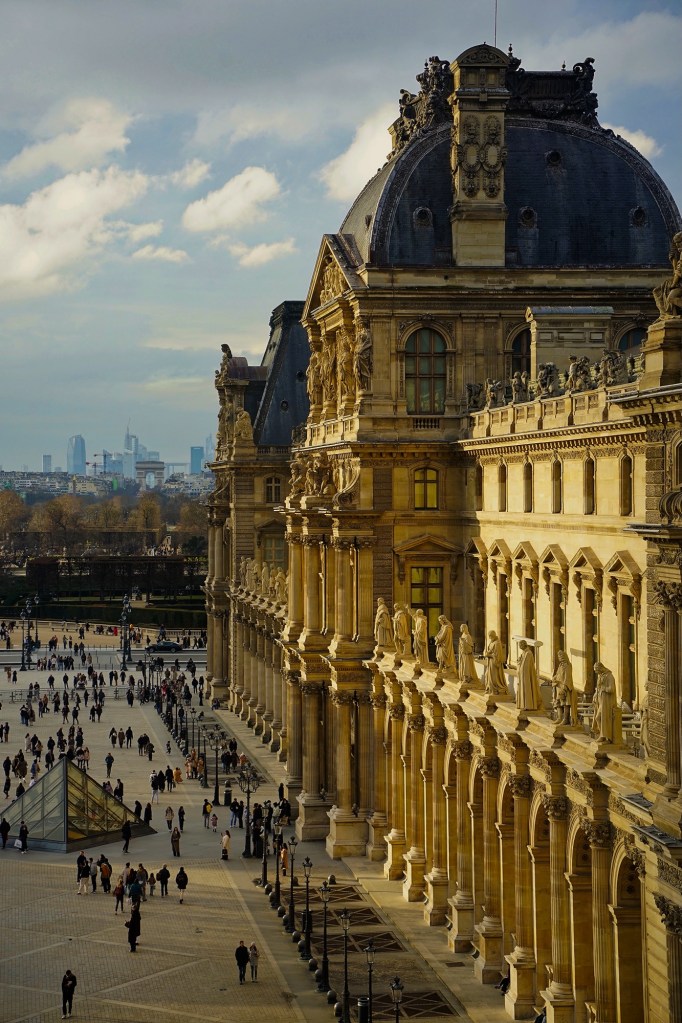
Among the many pleasures of living in Paris, visiting the Louvre stands out. Though not an aficionado of art in the conventional sense, I found myself repeatedly drawn to the museum’s Egyptian and Middle Eastern collections. The craftsmanship, scale, and symbolism of these artefacts—many dating back four millennia—never failed to astonish. Each encounter offered a humbling reminder of the depth and continuity of human civilisation. These visits not only deepened my appreciation of antiquity but also kindled a strong desire to travel to Egypt and witness these marvels in their original context.
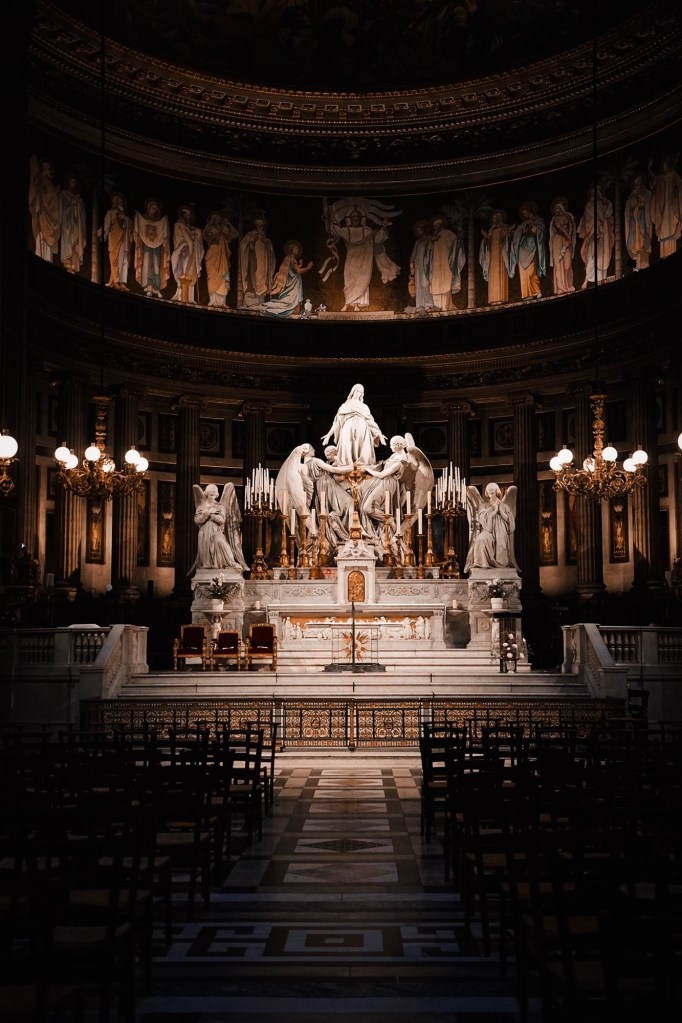
The transition from Oxford to Paris brought a renewed sense of vitality to daily life. The change of pace and setting offered a welcome opportunity to engage more fully with the world beyond the university. Paris, with its proximity to a wider continental landscape, made exploration—both intellectual and geographical—not only possible but habitual.
 Haohao Lei